We know we’re in a digital-first society, but face-to-face conversations still matter, especially in industries where purchasing decisions are technical, relationship-driven, and usually involve multiple stakeholders. For manufacturers, trade shows are opportunities to demonstrate expertise, showcase solutions, and connect directly with decision-makers in ways digital channels can’t.
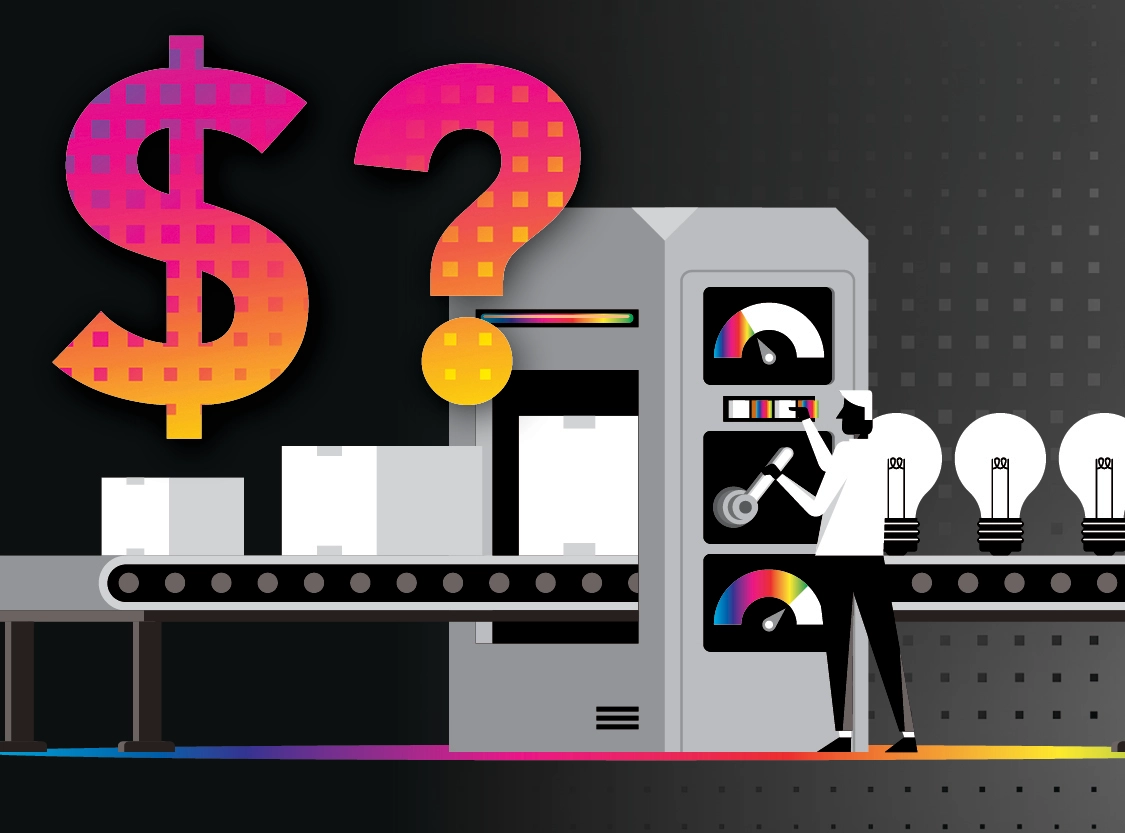
At the same time, exhibiting comes with a hefty investment. Booth design, travel, staffing, promotional materials, and follow-up efforts all add up quickly, which means success depends on more than just showing up with a polished display.
Many B2B organizations are increasing their event budgets because in-person engagement remains one of the strongest drivers for relationship-building and qualified lead generation. In 2026, attendees expect more than banners and brochures. They’re looking for experiences and conversations that feel relevant and worthwhile.
So, what helps certain brands stand out on a crowded show floor and gain real results? A few things, actually.
Start with Strategy, Not Just Booth Design
One of the biggest mistakes companies make is jumping into booth design before clearly identifying specific event goals.
Before even thinking about graphics, booth layouts, or promo materials, it is important to understand what success actually looks like. Is the goal lead generation? Product awareness? Distributor recruitment?
Once the goals are set, the rest of the experience becomes easier to align around them.
The Best Booths Prioritize Experience
Attention spans are short, and first impressions are quick.
On the show floor, your sense get hijacked fast. Competing visuals and messaging, big crowds noise from every direction. Booths that stand out in spite of all the distractions are the ones that succeed.
So then you’d think, okay, bigger booths always win? Nope.
While larger booths may create visibility, visibility alone doesn’t close deals. The goal isn’t just to stop traffic, it’s to stop the right traffic and give those people a reason to talk to your team and remember you when they leave.
The most effective B2B trade show strategies are designed around making conversations and decisions feel easy. Live demos, hands-on displays, digital resources, educational presentations, and room for a real conversation can all help build genuine connections with attendees.
In manufacturing industries especially, buyers are often looking for expertise rather than flashy presentations. A booth for a company that feels knowledgeable, approachable, and helpful does more work than one that just looks impressive from 20 feet away.
Experience beats square footage every time.
Trade Show Lead Generation Starts Early
We’re talking weeks to months before the show.
If the first time attendees hear about you is walking the show floor, you’re already behind your competitors. Start building early awareness and booking appointments through email campaigns, social media promos, customer invitations, and paid ads.
Early outreach helps create familiarity before attendees even arrive to the show and creates better opportunities for qualified conversations during the event itself.
Just make sure the message carries through. What visitors see before the event should align with what they experience at the booth and in follow-up communications. When branding and messaging feel connected across every touchpoint, the overall experience feels stronger and more credible.
The Right Booth Team Makes a Difference
A memorable booth is important, but the critical part of trade show booth ROI is memorable conversations inside the booth.
The people representing your brand matter just as much as the physical setup.
Strong booth teams ditch the sales pitch and know to ask questions, understand challenges, and help make conversations comfortable and engaging.
From marketing to logistics to sales to executive leadership, everyone on your team should understand your company’s specific trade show goals, key messaging points, and follow-up procedures before the event takes place. Trade shows tend to perform best when teams operate as one cohesive experience rather than separate departments.
Giveaways Still Have Value
Trade show giveaways are one of the easiest ways to get people to stop by your booth. Whether it’s swag people can take with them or a sweepstakes for a bigger prize, the right giveaway makes your booth (and your business) one people remember.
When it comes to swag, expectations have changed. Cheap pens and stress balls get tossed on the way out the door. Practical stuff sticks around. For manufacturing brands, that’s anything from a good power bank to a USB drive with your brochure on it to branded tools your buyers already use on the job. Stuff that’s actually useful, not just an advertising opportunity.
A sweepstakes works if you offer something worth a badge scan. A piece of equipment (or a solid discount on one), a trip, a tablet. You’ll start more conversations and walk away with more contacts to follow up with.
Follow-Up Is Where Momentum Continues
Getting booth traffic is only the first step. What happens after the event almost always has a greater impact on results than the event itself.
Without a clear post-show follow-up process, it can be difficult to continue the conversation after leads get back to their busy work schedules.
Even small follow-up actions, like connecting with all your new leads on LinkedIn, help re-spark interest and build on connections made through your trade show investment. That’s the point of the shows, isn’t it?
A basic follow-up strategy outlines organizing new contacts quickly, prioritizing and personalizing outreach, and continuing conversations while the event is still fresh in their minds. A more advanced strategy might include an email drip campaign, retargeting ads on LinkedIn, and designing a tiered approach to qualifying leads.
But without a doubt, having a plan and actually following through is what’s going to deliver the ROI you’re looking for. If you’re not following up, your trade show return ends when the booth is packed up.
Trade Shows Continue to Evolve
Trade shows used to be 100% offline. Today, brands often mix booth experiences with digital content to make connections with attendees more impactful and memorable.
And exhibiting isn’t cheap. Between the booth, travel, hotels, shipping, and the days your team spends off the floor, a single show is a real investment. It’s fair to wonder if you’re getting it back.
The digital side is how you stretch that investment. Many events blend in-person and digital through live-streamed presentations, social media, interactive tech, and resource hubs you can point people to later. It’s how to make the show work for you long after it ends.
Manufacturing sales cycles are long. The brands that stay visible during and after the show are the ones still in the conversation when the buyer’s finally ready. The return isn’t just on the floor, it’s in the months after.
Frequently Asked Questions About Manufacturing Trade Show Booths
What makes a manufacturing trade show booth successful?
A successful manufacturing trade show booth does more than look good. It helps the right people understand who you are, what you offer, and why it matters to them. The strongest booths are built around clear goals, helpful conversations, practical demonstrations, and a follow-up plan that keeps momentum going after the show ends.
When should trade show lead generation start?
Trade show lead generation should start weeks or even months before the event. Email campaigns, social media promotion, customer invitations, appointment setting, and paid ads can help build awareness before attendees ever reach the show floor. When people already know your name, your booth conversations tend to be more productive.
How can manufacturers improve trade show ROI?
Manufacturers can improve trade show ROI by treating the event as a full campaign, not just a booth setup. That means planning before the show, creating a booth experience that encourages meaningful conversations, training the team, capturing leads properly, and following up quickly afterward. The return often comes from what happens after the event, not just the traffic during it.
Final Thoughts
A good B2B trade show presence is about more than getting noticed. It’s about starting conversations, earning some trust, and walking away with opportunities that don’t die when the show ends.
The companies getting the most out of shows are the ones tackling the whole thing with a plan. The booth design, the people working it, how you capture leads, what you do after. Nothing left to figure out as you go. Getting traffic is only part of the game. Being the booth someone still remembers a month later, when they’re finally ready to talk, is what makes it worth it.
Planning a show this year?
A booth full of traffic is only worth it if those conversations go somewhere. Cain & Co helps manufacturers and industrial brands turn show leads into business, long after the floor clears.
Ready to make your next trade show work harder? Let’s plan your next move.